Coral Red Almond Nails: The Warm-Weather Classic That Never Fails
A juicy coral-red that photographs like a ripe tomato in golden hour light — the summer version of a classic red manicure.

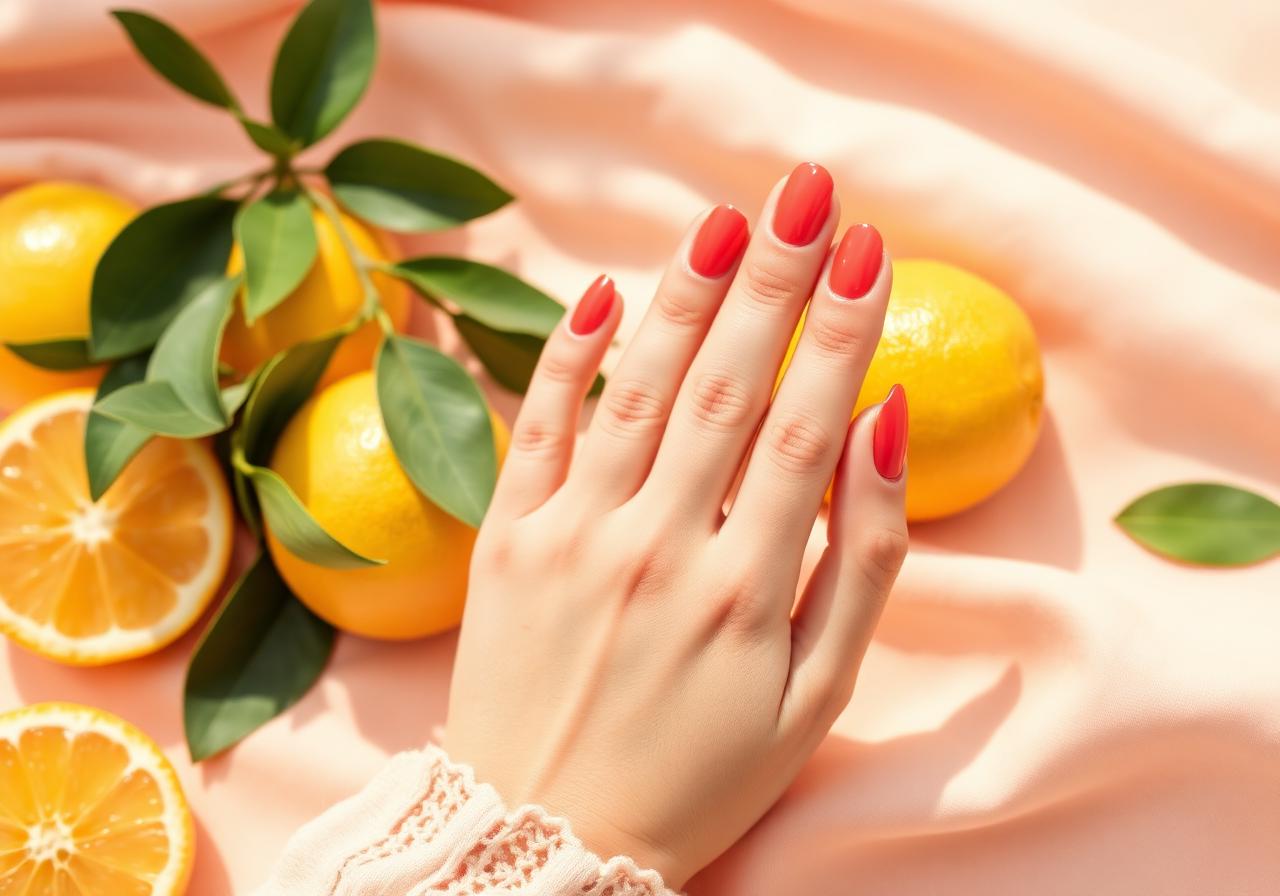
There is a specific kind of light — the golden hour of a June afternoon, the sunlight bouncing off a swimming pool, the glow of a beach umbrella at four o'clock — where a coral-red manicure looks so alive it stops the eye. Where classic cherry red is polished and formal, coral red is joyful. It carries the warmth of a ripe tomato, the color of a Provençal poppy, the pigment of a fresh persimmon. It is the manicure of vacations, of white linen dresses, of long lunches outdoors. And unlike a deep red, which can read heavy in strong summer light, coral red brightens with the sun. On tan skin it glows. On fair skin it reads healthy and radiant. On deep skin it looks luminous. This tutorial covers the classic almond shape (which flatters the coral color especially well), the specific application method for warm reds (they streak differently than cool reds), and the finishing tricks that make the color look like it did on the swatch card rather than dull and slightly orange. There is also a gel variation for readers who want the color to survive a week of pool water.
Coral red vs. tomato red vs. cherry red
These three shades are easy to mix up but wear very differently. Cherry red is a true, slightly cool red — the color of a fresh cherry. Tomato red is a warm, slightly orange red — the color of a ripe garden tomato. Coral red sits between them, with just enough pink to soften the orange. On skin, cherry red reads formal and evening. Tomato red reads bright and playful. Coral red reads warm and summery. For a summer manicure, coral is almost always the most flattering choice — it has the energy of warm red without tipping into the harshness that a pure tomato can have.
Why almond is the right shape for this color
The almond shape — tapered at the sides with a soft rounded point at the tip — elongates the finger and adds a sense of elegance that keeps a bright coral from feeling too casual. On very short nails, coral red can read as cute rather than sophisticated; the almond shape solves that problem. If your natural nails are short, do not force an almond — a soft squoval works just as well. But if you have any length to work with, this is the color that most rewards an almond shape.
Application quirks of warm reds
Warm reds tend to have a slightly different pigment structure than cool reds. They are more prone to streaking on the first coat and often need three thin coats instead of two to reach full opacity. The upside: they self-level beautifully as they dry, so streaks that look terrifying at minute two often smooth themselves out by minute five. Do not panic and dab on more polish — trust the formula to settle. This tutorial builds that pause into the process.
What You'll Need
- ✓Coral red cream polish (jelly formulas also work beautifully)
- ✓Pigment-blocking base coat
- ✓Glossy top coat (or a slight-shimmer top coat for extra glow)
- ✓Fine 240-grit file
- ✓Cuticle pusher
- ✓Pure acetone
- ✓Fine cleanup brush
- ✓Cuticle oil (a citrus-scented one is a nice summer touch)
- ✓Lint-free wipes
Step-by-Step
- 01
File into a soft almond shape
Start with dry nails. File the sides inward at a gentle angle, then round the tip into a soft point. The point should feel almost oval, not sharp — a genuinely pointed nail catches on clothing and looks aggressive. Mirror both hands by holding them palm-up together and comparing. If a nail looks longer, take it down until the pair matches.
- 02
Prep the surface
Push back cuticles with a wooden orange stick, buff the nail plate lightly, and wipe every nail with rubbing alcohol. Warm reds pool and streak on oily surfaces, so this step is doubly important. Nails should look matte and slightly dry before you start polishing.
- 03
Apply a pigment-blocking base coat
Coral reds stain fingernails faster than most colors because the warm pigments are small and penetrate the nail plate. A stain-blocking base coat is not optional if you want your natural nail to look normal after removal. Apply one thin coat and cap the tip. Wait two minutes.
- 04
Load the brush for a warm red
Wipe one side of the polish brush against the bottle neck. Warm reds move faster on the brush than cool reds — an overloaded brush will pool at the cuticle almost immediately. Aim for about half the amount of polish you might use for a nude.
- 05
Paint the first coat and walk away
Three strokes: center, left, right. Cap the tip. The first coat will look streaky and uneven. This is normal for coral reds. Do not touch it, do not try to fix it. Wait four full minutes for it to self-level and dry to touch.
- 06
Apply the second coat with confidence
The second coat is where the color comes to life. Wipe the brush again and apply with the same three-stroke method. Cap the tip. Wait four more minutes. Most coral reds are fully opaque after two coats.
- 07
Add a third thin coat if the color still looks uneven
If you can still see faint streaks after the second coat has dried, apply one more thin coat. Never apply a thick 'fixing' coat — it will crater and shrink as it dries. Thin coats always beat thick ones.
- 08
Clean the edges with acetone
Dip a fine cleanup brush in pure acetone and trace the outline of every nail. Take your time. A perfectly clean cuticle line is what makes the manicure look salon-quality. Wipe the brush on a paper towel between nails.
- 09
Seal with a glossy top coat
Generous layer of glossy top coat, capping the tip one last time. Coral reds look best with a top coat that has a slight warm sheen — some brands sell a golden-hour top coat with a tiny pearl shimmer, and it is worth the extra dollar for how it makes the color glow.
- 10
Finish with cuticle oil
Massage a drop of cuticle oil into each nail bed. Coral red pairs especially well with a citrus-scented oil — orange blossom or grapefruit — because the color and the scent reinforce each other. Reapply every night.
"Great nails aren't about perfection — they're about intention. Slow, thin coats always beat a rushed thick one."
Pro Tips
Do not do this manicure on a day when your hands have been in pool water or seawater. Both leave residues that make polish lift within hours.
For a slightly softer version, apply the coral red over one thin coat of a sheer milky polish. It reads more romantic and less bright.
Warm reds photograph slightly differently than they look in person. Take a test photo after the second coat to see the finished color in your lighting.
If your coral red looks too orange on your skin, look for a version with slightly more pink in the base. Different brands have different balances.
Store coral polishes upright and out of direct sunlight. UV degrades warm pigments faster than cool ones — a bottle left on a windowsill will fade in weeks.
For the beach, do this in gel. Regular polish, even sealed, does not survive extended salt water and sunscreen.
Match the top coat brand to the polish brand where possible. Cross-brand top coats occasionally shrink coral formulas within twenty-four hours.
Refresh with top coat on day four to bring back the glassy finish. It takes two minutes and adds four days of wear.
Frequently Asked
How long does coral red last?+
On natural nails with proper prep, expect seven to nine days of wear. In gel, expect two and a half to three weeks. Chlorine and salt water shorten both dramatically.
Will coral red stain my nails?+
Yes, more than most colors, unless you use a pigment-blocking base coat. If staining does occur, buff lightly and soak nails in lemon water for five minutes to lift the tint.
What if my coral red looks too orange?+
Look for a version with more pink in the pigment mix. If you already own the polish, try layering it over one thin coat of a cool-toned pale pink for a slightly softer finish.
Is coral red flattering on deep skin?+
Yes — arguably more flattering than on any other skin tone. The warm pigment glows against deeper complexions in a way that cooler reds simply cannot.
Can I wear this to a wedding?+
For a summer or destination wedding, yes. For a formal evening wedding, cherry red or burgundy usually reads more appropriate. Coral red belongs to daylight.
Does coral red look better with gold or silver jewelry?+
Yellow gold, every time. Coral red and yellow gold share warm undertones and enhance each other. Silver can look slightly cold next to warm coral.
Can I do this manicure on very short nails?+
Yes, though the almond shape is harder to achieve on very short nails. A short squoval in coral red is beautiful and much more practical.
Sophia Bennett
Twelve years in beauty editorial. Leads the Nailora desk and personally signs off on every tutorial that goes live.


You Might Also Love
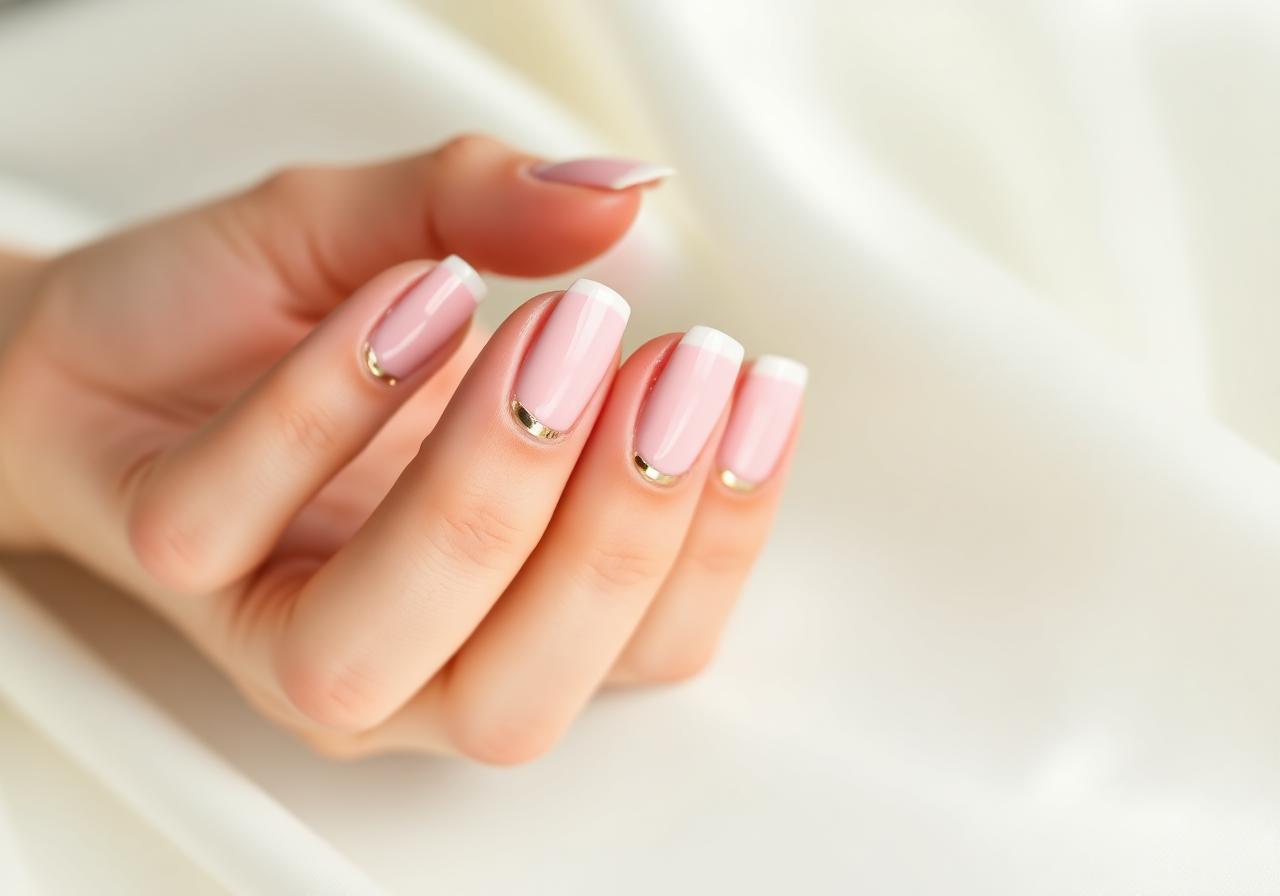
Soft Pink French Tips with Gold Foil Accent
A modern twist on the classic French manicure — sheer pink base, ivory tips, and a whisper of gold foil for everyday elegance.
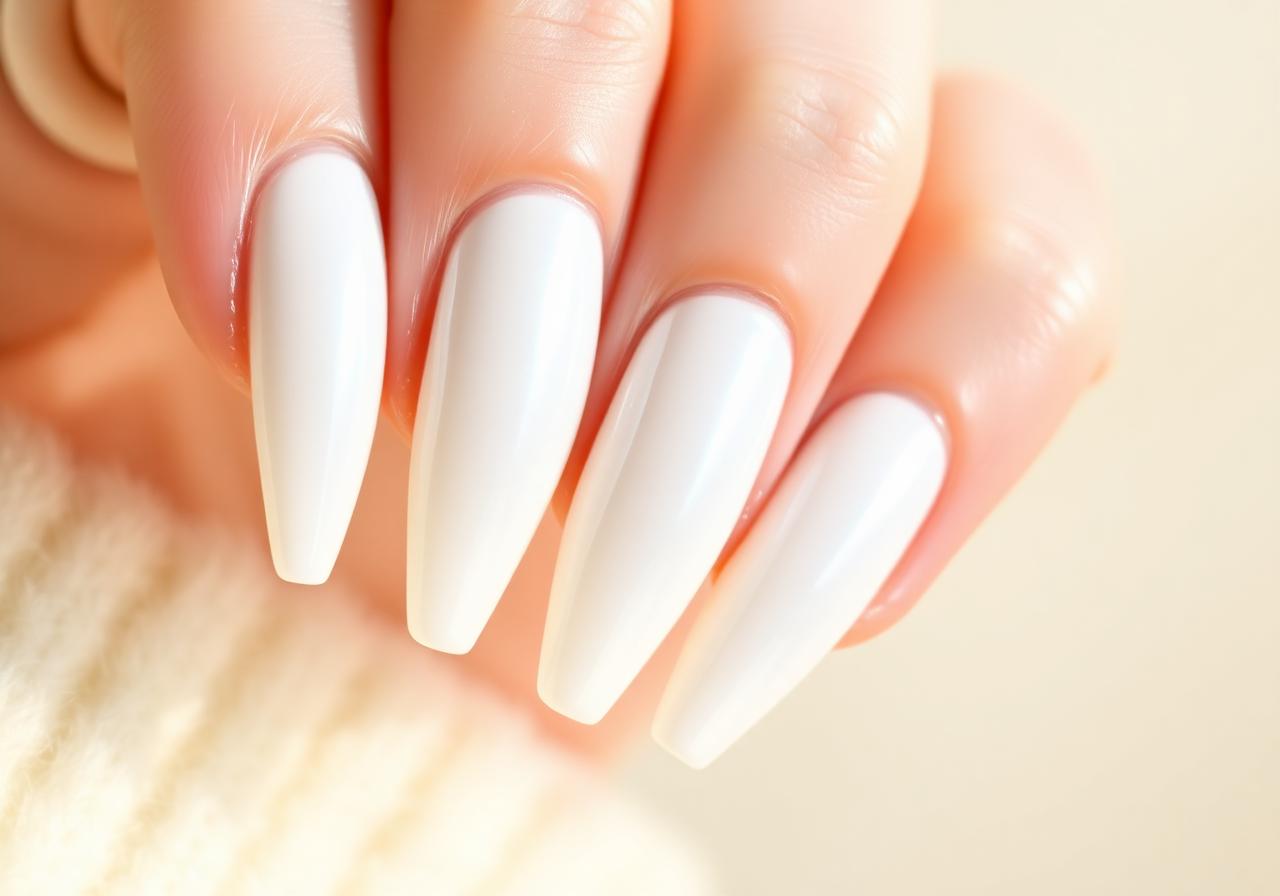
Milky White Glazed Donut Nails at Home
The viral pearl-finish manicure everyone is asking their nail tech for — and how to recreate it in under 30 minutes.
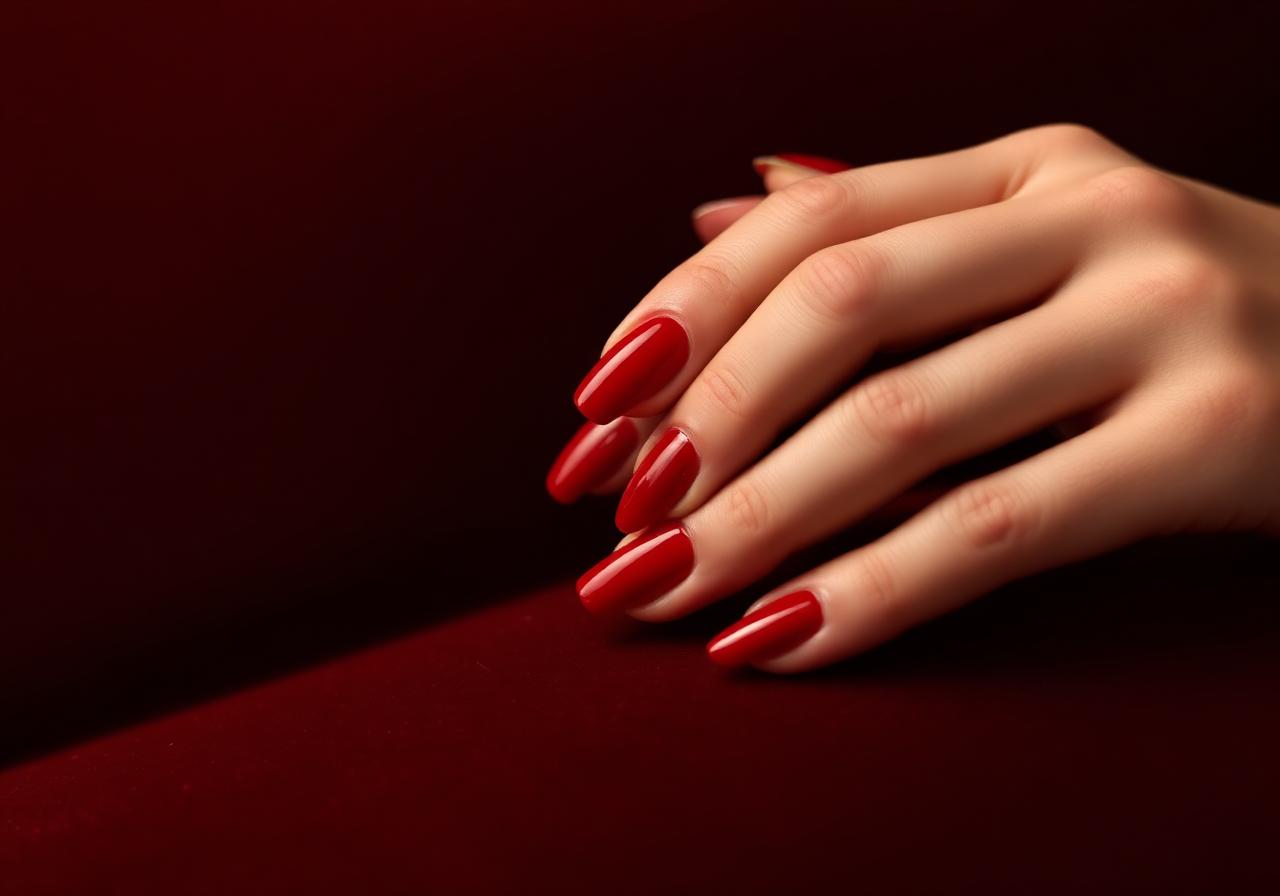
Cherry Red Short Nails: The Classic Look for Every Season
Short nails deserve statement color too. This step-by-step guide gets you a salon-perfect cherry red at home.